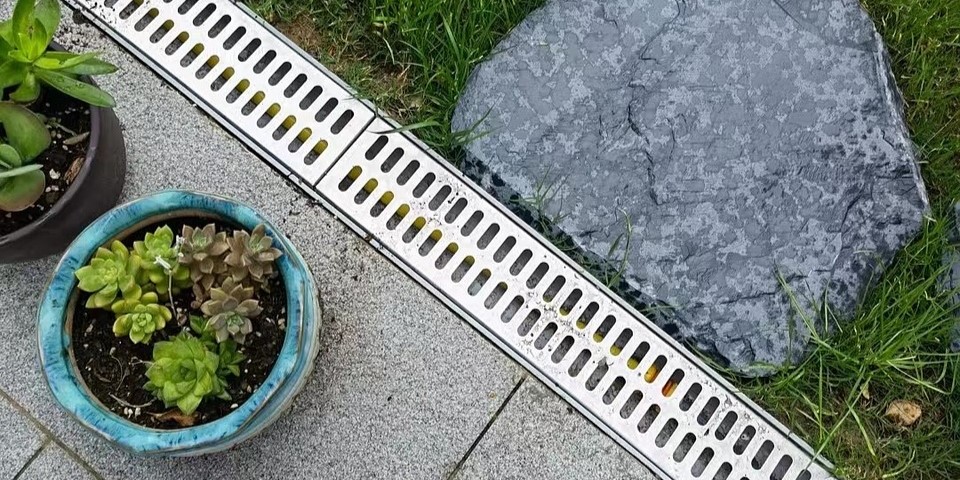
Choosing the right drainage cover is an important decision for industrial facilities, commercial buildings, infrastructure projects, and outdoor areas. Drainage covers need to withstand environmental conditions, support expected loads, and provide reliable long-term performance. Two common options are FRP drainage covers and metal drainage covers. While both materials can be used for drainage systems, they have different characteristics in terms of strength, weight, corrosion resistance, maintenance, and cost. This article discusses FRP vs metal drainage covers, which is better for your project?
What Are FRP Drainage Covers?
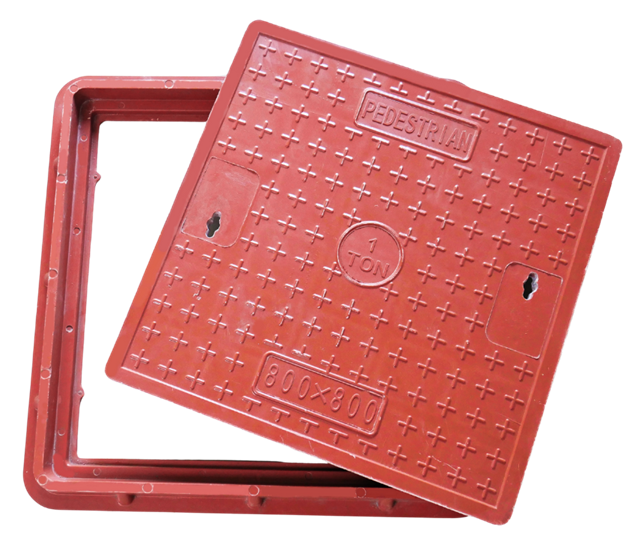
FRP drainage covers are manufactured using Fiber Reinforced Plastic, a composite material made by combining a polymer resin with reinforcing fibers, commonly fiberglass.
FRP has become increasingly popular in industrial and infrastructure applications because it offers a combination of strength, lightweight construction, and excellent corrosion resistance.
FRP drainage covers are commonly used in:
- Industrial plants
- Chemical processing facilities
- Wastewater treatment plants
- Coastal and marine environments
- Food and beverage facilities
- Walkways and pedestrian areas
- Commercial and public infrastructure
One of the main advantages of FRP is its resistance to moisture and many corrosive chemicals, making it suitable for environments where conventional metal can deteriorate over time.
What Are Metal Drainage Covers?
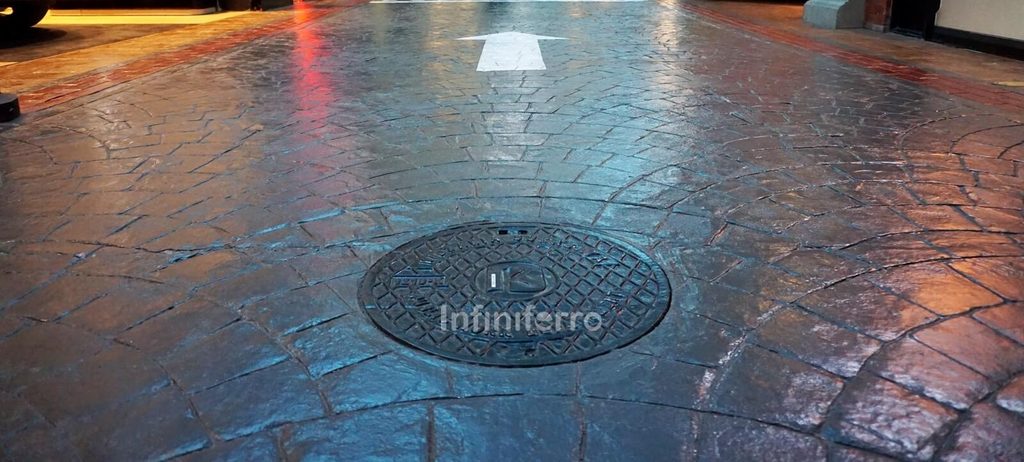
Metal drainage covers are traditionally manufactured from materials such as cast iron, steel, galvanized steel, stainless steel, or aluminum. They are widely used in roads, factories, buildings, and other infrastructure projects.
Depending on the material and design, metal drainage covers can provide high mechanical strength and are often selected for applications with demanding load requirements.
Common applications include:
- Roads and parking areas
- Industrial facilities
- Heavy-duty service areas
- Warehouses
- Construction projects
- Pedestrian infrastructure
However, the performance of a metal drainage cover can vary significantly depending on the type of metal, surface treatment, installation environment, and maintenance program.
FRP vs Metal Drainage Covers: Key Differences
When comparing FRP and metal drainage covers, several factors should be considered.
1. Corrosion Resistance
Corrosion resistance is one of the most important differences between FRP and conventional metal.
FRP is naturally resistant to rust and many forms of corrosion. This makes it particularly suitable for areas exposed to water, chemicals, salt, and humid conditions.
Metal covers, on the other hand, may be vulnerable to corrosion depending on the material. Carbon steel, for example, can rust when exposed to moisture and oxygen. Galvanization or protective coatings can improve corrosion resistance, but these protective layers may eventually require maintenance or replacement.
Advantage: FRP, particularly in corrosive or continuously wet environments.
2. Weight and Installation
FRP drainage covers are generally much lighter than comparable metal products. Their lower weight can make transportation, handling, and installation easier.
In many applications, FRP covers can be installed or removed by workers without the need for heavy lifting equipment.
Cast iron drainage covers are typically heavier, especially when designed for high load capacities. This can increase transportation and installation requirements.
Advantage: FRP when lightweight handling and simpler installation are priorities.
3. Strength and Load Capacity
Metal has long been used for structural applications because of its high mechanical strength. Properly designed cast iron drainage covers can accommodate significant loads and are commonly used in areas exposed to vehicles or heavy equipment.
FRP can also provide high strength-to-weight performance. However, its load capacity depends heavily on the resin system, fiber reinforcement, structural design, span, and manufacturing process.
For this reason, the appropriate FRP cover should be selected based on the required load rating rather than simply comparing material strength.
Advantage: Application-dependent. Both materials can be suitable when properly designed and specified for the required load.
4. Maintenance Requirements
Maintenance is another important consideration when selecting drainage covers.
FRP generally requires relatively little maintenance because it does not rust and does not require regular anti-corrosion painting. This can be beneficial for facilities where maintenance access is difficult or where minimizing downtime is important.
Metal covers may require periodic inspection, cleaning, repainting, galvanizing maintenance, or corrosion treatment depending on the material and environmental conditions.
Advantage: FRP in applications where low maintenance is a priority.
5. Durability
The durability of a drainage cover depends on several factors, including material quality, design, installation, environmental exposure, and loading conditions.
FRP can maintain its performance in many harsh environments because of its resistance to corrosion, moisture, and a range of chemicals.
Metal can also provide a long service life, particularly when high-quality materials and appropriate protective coatings are used. However, corrosion can become a significant factor in aggressive environments.
Advantage: Depends on the environment and specification. FRP may offer an important durability advantage in corrosive environments, while metal can be highly durable in suitable conditions.
6. Electrical and Thermal Properties
FRP is generally non-conductive, making it useful in areas where electrical insulation is desirable.
Metal, by comparison, is electrically conductive and can also become very hot or cold depending on environmental conditions.
For facilities such as electrical plants, chemical facilities, and industrial sites, the non-conductive characteristics of FRP can be an important consideration.
Advantage: FRP for applications where electrical non-conductivity is required.
7. Long-Term Cost
The initial purchase price is only one part of the total cost of a drainage cover.
A metal drainage cover may appear economical initially, but long-term expenses can include transportation, installation, corrosion protection, repainting, repairs, and replacement.
FRP may have a higher initial cost in some applications, but its lightweight design, corrosion resistance, and lower maintenance requirements can potentially reduce lifecycle costs.
Therefore, it is useful to compare total cost of ownership rather than focusing only on the initial purchase price.
Comparison Table: FRP vs Metal Drainage Covers
| Factor | FRP Drainage Covers | Metal Drainage Covers |
| Corrosion Resistance | Excellent | Depends on metal and coating |
| Weight | Lightweight | Generally heavier |
| Installation | Easier to handle | May require more lifting effort |
| Load Capacity | High when properly designed | High |
| Maintenance | Generally low | Can require corrosion maintenance |
| Electrical Conductivity | Non-conductive | Conductive |
| Chemical Resistance | Generally excellent, depending on resin | Depends on metal and coating |
| Rust Resistance | Does not rust | Some metals are susceptible to rust |
| Lifecycle Cost | Potentially lower | Depends on maintenance and environment |
| Heavy Vehicle Applications | Available in suitable load ratings | Commonly used |
When Should You Choose FRP Drainage Covers?
FRP drainage covers can be a strong option when your project involves:
- High humidity or frequent water exposure
- Chemicals or corrosive substances
- Coastal or marine environments
- Wastewater treatment
- Chemical processing
- Areas where low maintenance is important
- Locations where lightweight components are preferred
- Applications requiring non-conductive materials
For these environments, FRP’s corrosion resistance and lightweight construction can provide practical advantages over conventional metal.
When Should You Choose Metal Drainage Covers?
Metal drainage covers may be appropriate when:
- Very high mechanical loads are required
- The project has established metal fabrication standards
- The environment is not highly corrosive
- The available budget favors conventional metal solutions
- Specific structural or architectural requirements call for metal
- Existing infrastructure is designed around metal components
Stainless steel, galvanized steel, and other corrosion-resistant metals can also be considered when environmental exposure is a concern.
What Should You Consider Before Making a Decision?
Rather than choosing a material based solely on price or strength, consider the complete operating environment.
Ask the following questions:
- What load will the drainage cover need to support?
- Will it be exposed to water, salt, or chemicals?
- Will vehicles or heavy equipment pass over it?
- How frequently can the drainage system be maintained?
- Is electrical conductivity a concern?
- How easy does the product need to be to transport and install?
- What is the expected service life?
- What is the total lifecycle cost of each option?
These factors can help determine whether FRP or metal is more appropriate for your particular project.
FRP vs Metal Drainage Covers: Which Is Better?
There is no universal answer because the best drainage cover depends on the project’s requirements.
FRP drainage covers can be particularly advantageous in corrosive, wet, chemical, or maintenance-sensitive environments. Their lightweight construction and non-conductive properties can also provide additional benefits.
Metal drainage covers remain a practical solution for many applications, especially where high mechanical loads, conventional construction methods, or specific structural requirements are important.
The most suitable choice should therefore be based on load requirements, environmental conditions, expected service life, installation requirements, and total cost of ownership.
Final Thoughts
Selecting the right drainage cover is more than a simple comparison between FRP and metal. The material should be evaluated in relation to the actual conditions in which the drainage system will operate.
For corrosive and demanding environments, FRP can offer significant advantages through its corrosion resistance, lightweight construction, and low maintenance requirements. Metal, meanwhile, remains a proven option for a wide range of structural and heavy-duty applications.
By evaluating both the technical requirements and long-term operating costs, project owners and engineers can select a drainage cover that provides reliable performance and value throughout its service life.
Writer: Eka | Editor: Hayyu